
Introduction
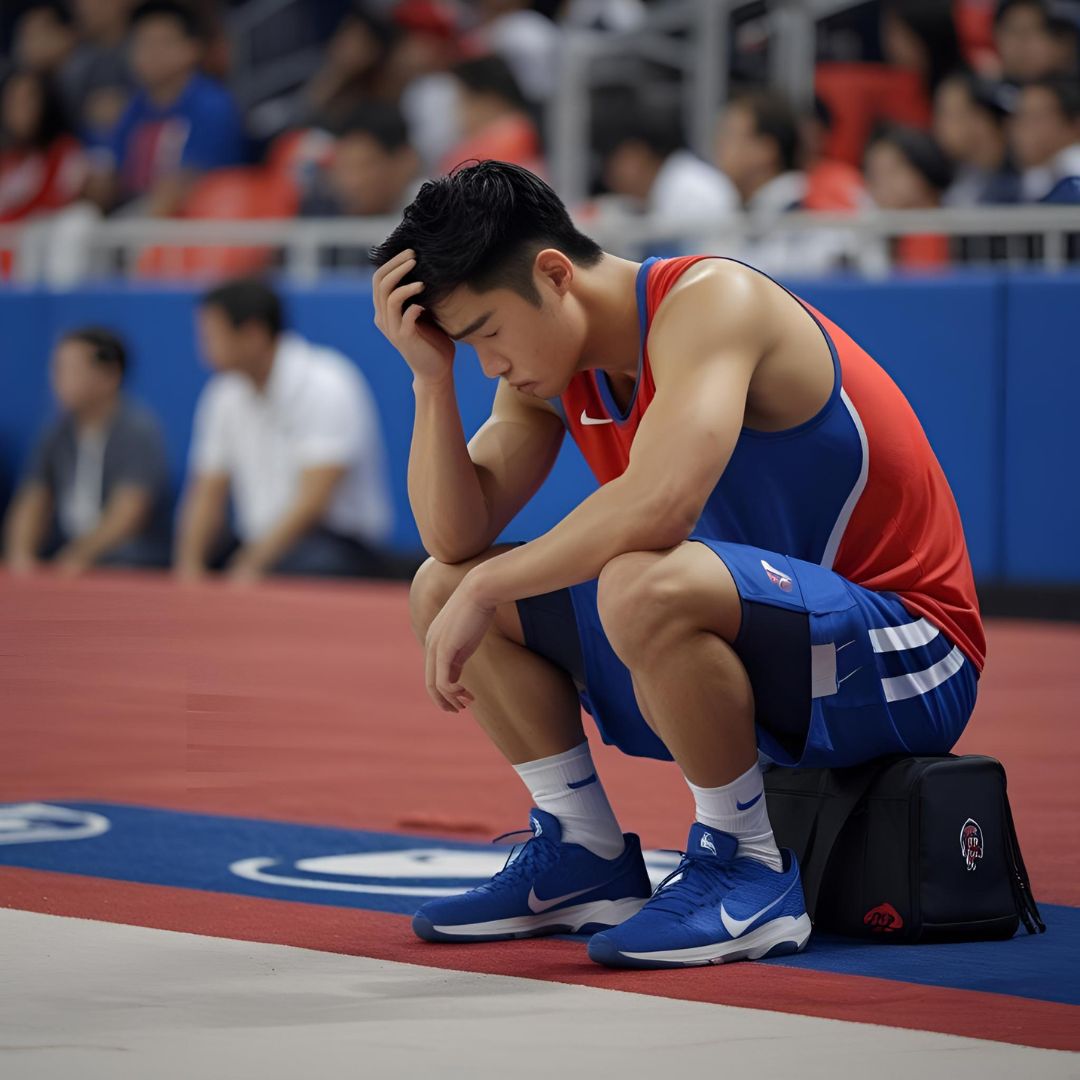
In the realm of sports, nerves before a big, important match are almost inevitable. Even seasoned athletes experience butterflies in their stomachs as the anticipation builds. For the elites, experiencing an entire stadium of people hooting and clapping anticipating your win can be an exciting yet unnerving feeling. At pre-elite and grassroot levels too, athletes experience pressure of performing well and moving to the next levels.
Nerves are natural, but when those nerves turn into performance anxiety, they can hinder an athlete's ability to perform at their best.
A 2025 research study titled “Sport-related Performance Anxiety in Young Athletes: A Clinical Practice Review” defined performance anxiety as an intense emotional distress occurring before, during, or after athletic performance, often leading to symptoms like racing heart, avoidance, worry, and impaired concentration. It also concluded that in competitive youth sports, anxiety is not just “pre-game nerves”, it's recognized as a psychological concern when it becomes persistent and disrupts performance or participation. You may have heard of athletes quitting sport, and such unbearable pressure could be one of the causes.
Performance anxiety is a common psychological challenge that affects athletes across all levels. Understanding its causes, adopting strategies, and incorporating sports psychology sessions to manage it can help athletes thrive under pressure.
What is Performance Anxiety in Sports?
Performance anxiety, often referred to as "choking under pressure," is a psychological response to stress, characterized by excessive worry, self-doubt, and fear of failure. Performance anxiety can impact an athlete’s focus, decision-making, and physical coordination, leading to underperformance during crucial moments or even injuries.
Symptoms of Performance Anxiety:
- Physical: Increased heart rate, muscle tension, sweating, dry mouth, and nausea.
- Cognitive: Negative self-talk, lack of clarity during task, difficulty concentrating.
- Behavioral: Avoidance of competition, hesitancy in decision-making, wanting to quickly finish your task.
Causes of Performance Anxiety
Several factors contribute to performance anxiety in athletes:
- High Stakes: The importance of the match or event amplify pressure.
- Perfectionism: Athletes with perfectionist tendencies often fear making mistakes.
- External Expectations: Pressure from coaches, teammates, or fans can escalate anxiety.
- Self-Imposed Pressure: Athletes may set unrealistic goals, intensifying their stress levels.
Practical Tips to Manage Performance Anxiety
Mindset
- Embracing the nervousness: accepting that nerves before events are natural helps in seeing them not as our enemy or being scary. This mindset shift turns fear into motivation, thus enhancing performance.
- Focus on Process Over Outcome: Shifting focus from winning to executing well-defined tasks helps reduce the pressure of expectations. Outcome are unknown and many a times, out of our control. By concentrating on aspects within their control—like technique and effort—athletes can maintain a positive mindset.
Skillset
- Develop a Pre-Match Routine
Creating a consistent pre-match routine helps athletes prepare mentally and physically. Familiar actions and rituals signal the brain to focus, reducing anxiety. The research paper “PreparatoryRoutines for Emotional Regulation in Performance Enhancement” cites that pre-performance routines improve concentration and reduce anxiety. For example, activities like visualization, stretching, and listening to calming music can establish a sense of control.
- Practice Visualization
Visualization is a powerful tool in sports psychology. In this article by Peak Performance, visualization, and guided imagery are quoted as strategies sports coaches use to train athletes. By mentally rehearsing a successful performance, athletes can train their brains to focus on positive outcomes, minimizing negative thoughts.
How to Visualize Effectively:
- Find a quiet space.
- Close your eyes and imagine yourself excelling in the match.
- Focus on details like the environment, movements, and emotions.
- Practice Mindfulness and Breathing Techniques
Mindfulness helps athletes stay present, preventing them from dwelling on past mistakes or future outcomes. Pairing mindfulness with breathing exercises can further calm the body and mind.
Example: Box Breathing Technique:
- Inhale for four counts.
- Hold for four counts.
- Exhale for four counts.
- Hold for four counts.
- Use Positive Self-Talk
Negative self-talk can intesify performance anxiety. Replacing it with affirmations and constructive thoughts can shift an athlete’s mindset.
Examples of Positive Self-Talk:
- "I’ve trained for this moment."
- "I am capable and prepared."
- "Mistakes are part of growth."
Skills are effective tools and can be used according to the needs of the athletes.
Importantly, Seek Support From a Sports Psychologist
Sports psychologists specialize in helping athletes overcome mental barriers. They can provide tailored strategies to manage anxiety and enhance performance.
Practical Strategies for Coaches and Teams
Coaches and teammates play a pivotal role in helping athletes manage performance anxiety. Here are strategies for creating a supportive environment:
- Foster Open Communication: Encourage athletes to share their feelings without judgment. You can discuss 'when' and 'what' the athlete usually likes to speak with you before competitions
- Normalize Anxiety: Reassure athletes that nerves are a natural part of competition.
- Promote Team-Building Activities: Strong team cohesion can reduce individual pressure.
- Provide Constructive Feedback: Focus on strengths and thier efforts while addressing areas for improvement.
Final Words
Performance anxiety is a challenge that athletes can overcome with the right tools and mindset. By incorporating strategies like pre-match routines, visualization, mindfulness, and positive self-talk, athletes can transform their nerves into a source of strength. Additionally, support from coaches, teammates, and sports psychologists can further empower athletes to excel under pressure. You can also upskill yourself with various training courses that help deal with pressure in sports more proactively. Remember, managing performance anxiety is a journey, and every small step contributes to long-term success.
References
Beenen KT, Vosters JA, Patel DR. Sport-related performance anxiety in young athletes: a clinical practice review. Transl Pediatr. 2025 Jan 24;14(1):127-138. doi: 10.21037/tp-24-258. Epub 2025 Jan 21. PMID: 39944878; PMCID: PMC11811592.
Orbach I, Blumenstein B. Preparatory routines for emotional regulation in performance enhancement. Front Psychol. 2022 Jul 29;13:948512. doi: 10.3389/fpsyg.2022.948512. PMID: 35967624; PMCID: PMC9374066.
Peak Performance Sports. (2015). Sports visualization: The secret weapon of athletes. Retrieved June 28, 2025, from https://www.peaksports.com/sports-psychology-blog/sports-visualization-athletes/